My Story

The Turning Point

The real transition from improvised code to systems design and agentic automation.

01
The Origin

At 24, one week away from receiving my Computer Systems Engineering degree, I hit a wall. The traditional market felt broken: very low salaries, blind recruiting pipelines driven by automated filters, and the threat of professional stagnation. I watched many classmates give up under that frustration and escape into videogames.

It was the worst day because the financial stress and uncertainty were suffocating. I knew I could not compete in a cheap, repetitive labor market. But it was also the best day because I made a hard decision. I uninstalled League of Legends, where I had invested countless hours reaching Emerald rank, and decided that all that mental discipline, focus, and resilience would go into building my own path.

I invested my last five dollars in deepening my web development fundamentals and recording advanced agent-automation methodology webinars. I understood that copy-pasting generated code without understanding Google V8, secure persistence with SQLCipher, or local 12GB GPU CUDA integrations was a trap. That day I stopped acting like a reactive programmer and started thinking like a Systems Architect.
02
The Philosophy

Frontier artificial intelligence did not destroy my career; it amplified it. I quickly understood a core business rule: syntax became cheap, but architecture and distribution are everything. Modern engineering is no longer about manually writing lines of code inefficiently; it is about directing abstract logic.

I adopted Spec-Driven Development and Architecture Decision Records. I stopped programming by blind intuition and started modeling hybrid local and cloud systems. Instead of spending thousands of dollars on closed subscriptions, I integrated agentic orchestration tools such as Codex, Antigravity, and the Engram vector knowledge base under a local-first chassis.

This workflow lets me operate like the director of a technical team inside my own computer. I research, design strategy, audit testing plans, and control the tradeoffs behind every decision — delivering secure, typed, validated software at a speed I would not have imagined as a solo developer.

What I built

Systems I designed and built end to end. I use tools like Ollama, Whisper, and Stable Diffusion — but the architecture that orchestrates them is mine.

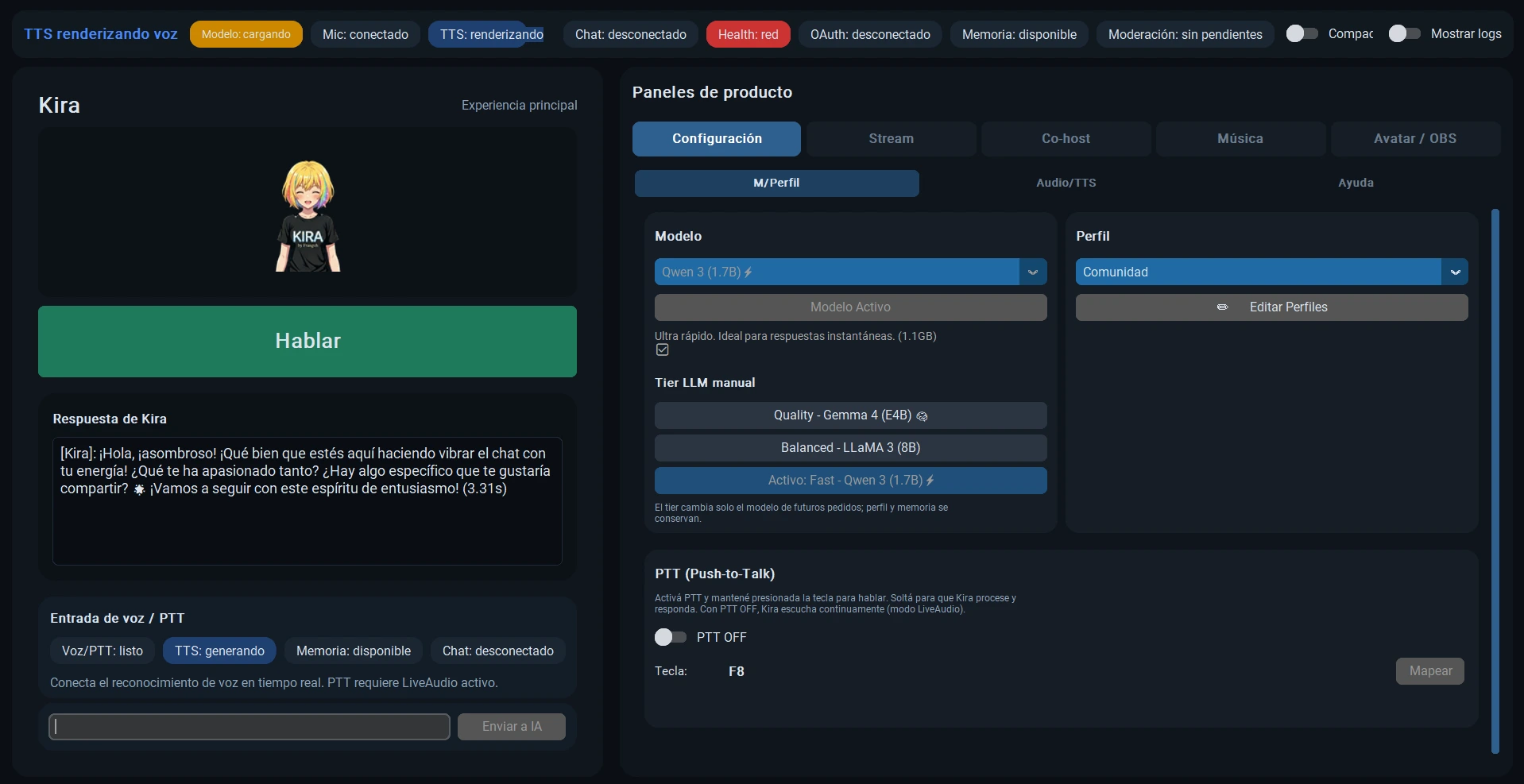
Screenshot of OpenCohost
AI voice co-host

OpenCohost

I built an AI voice co-host for streamers: it ingests Twitch/YouTube chat in real time, generates responses with local LLMs, and synthesizes voice on the fly. Local-first and deterministic.

  • Python
  • Ollama
  • QwenTTS
  • Edge-TTS
  • Flask
View project →
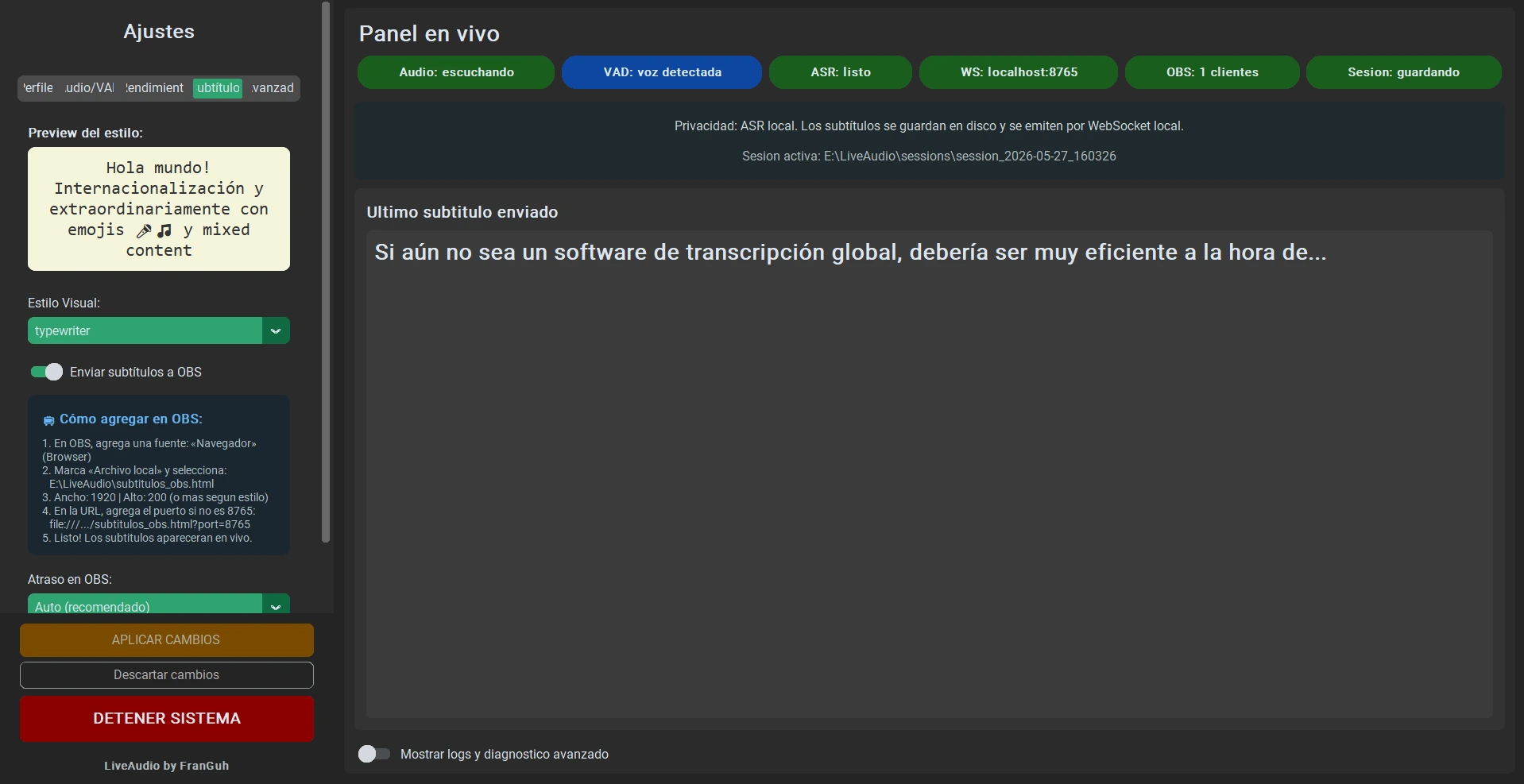
Screenshot of LiveAudio
Real-time captions

LiveAudio

Live captioning system for streamers: continuous voice detection with Silero VAD, local Whisper transcription, and direct OBS integration. Packaged portably with Nuitka.

  • Python
  • Whisper
  • Silero VAD
  • OBS
  • Nuitka
View project →
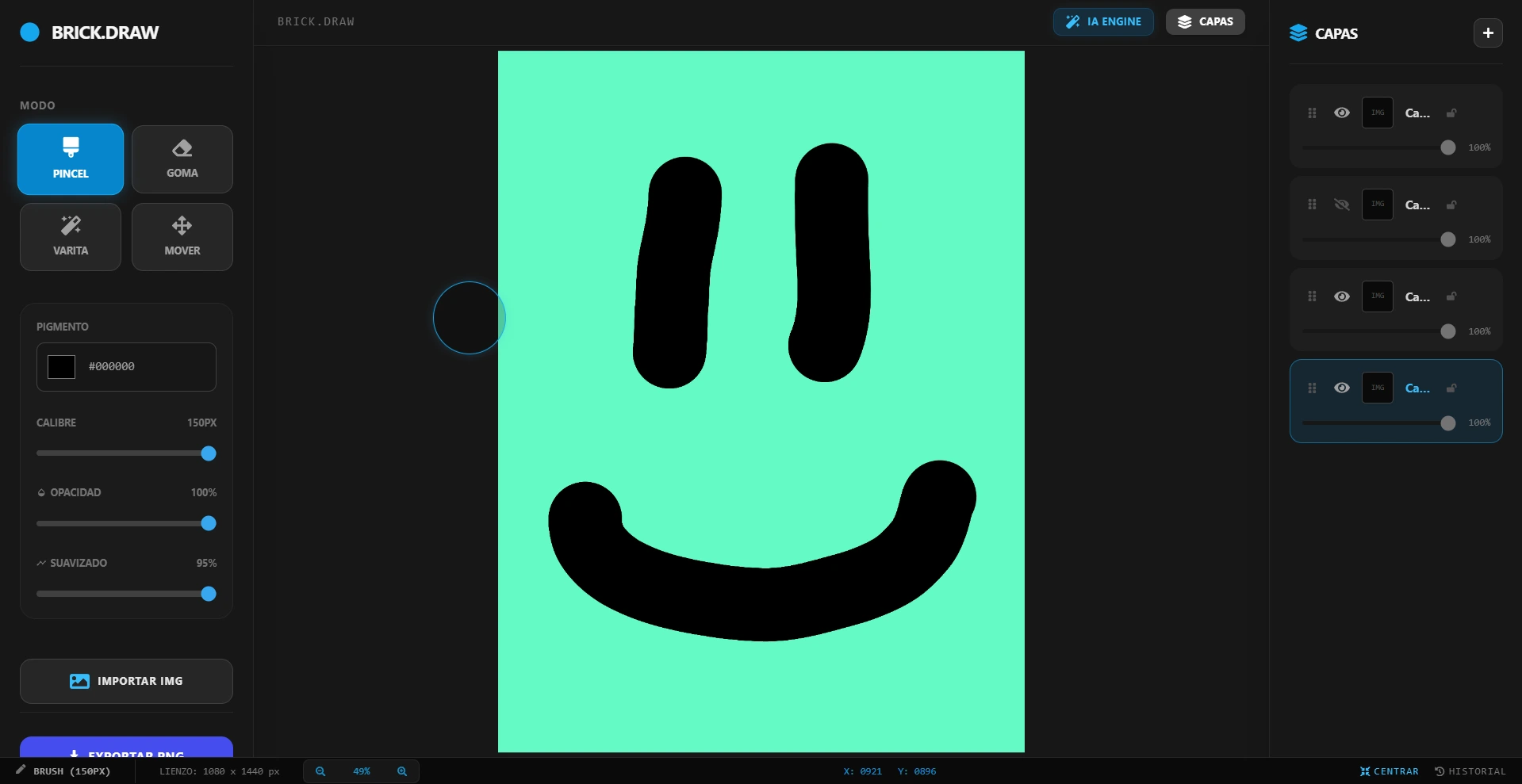
Screenshot of Brick.draw
Desktop drawing app

Brick.draw

Layer-based desktop drawing app, in the spirit of Paint/Photoshop, built with Tauri + Rust. It connects with Sloppy to enhance drawings through local Stable Diffusion XL.

  • Tauri
  • Rust
  • React
  • TypeScript
  • Zustand
View project →
Screenshot of Sloppy
Computer-vision API

Sloppy

Computer-vision API that generates and improves images with Stable Diffusion XL through local inference. It is the AI engine behind Brick.draw.

  • Python
  • SDXL
  • PyTorch
  • FastAPI
  • CUDA
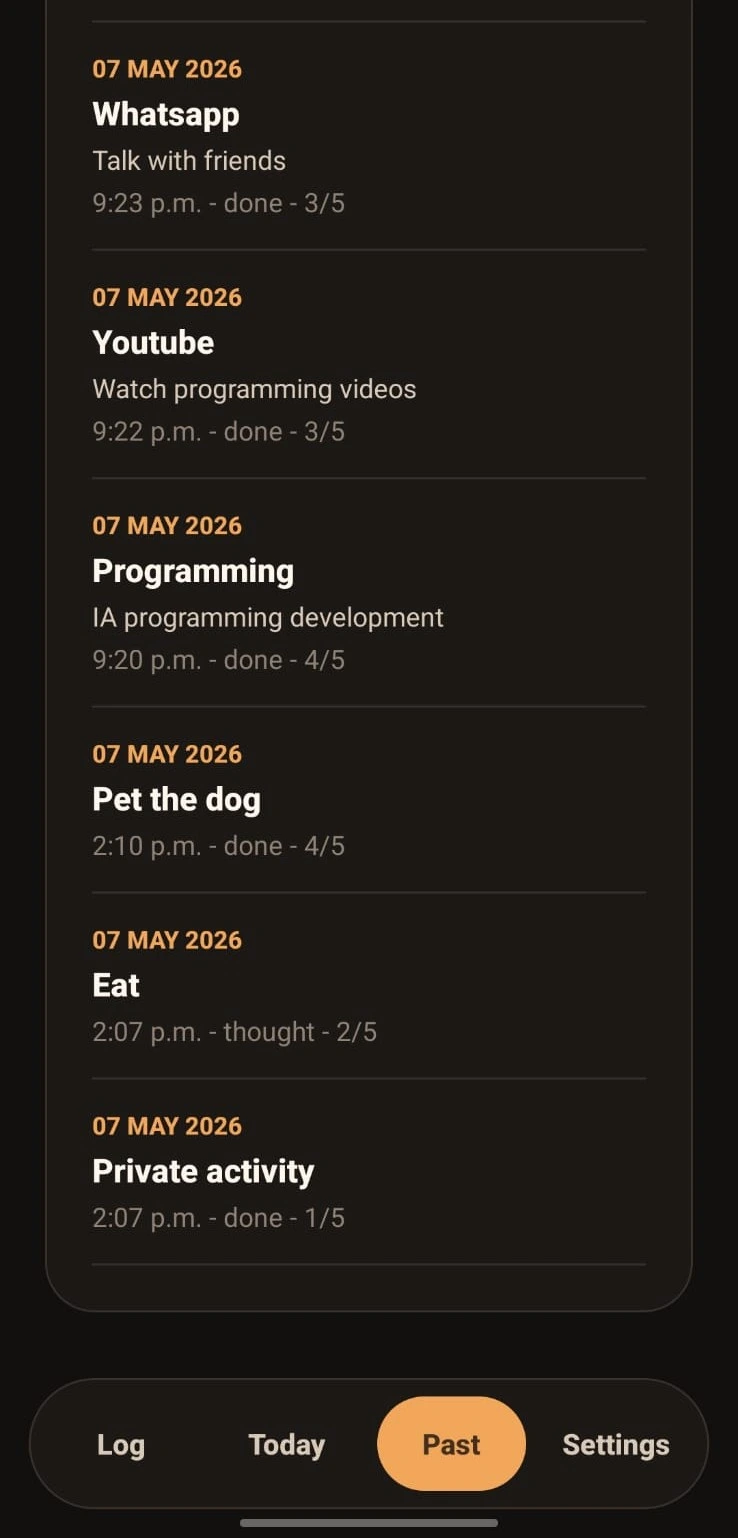
Screenshot of RememberCompanion
Local-first Android journal

RememberCompanion

Android productivity journal app, local-first, with an encrypted SQLCipher database for privacy. It tracks thoughts, actions, and daily satisfaction.

  • React Native
  • TypeScript
  • SQLite
  • SQLCipher